About the Turtle Conservancy and the Behler Chelonian Center

Who we are...

The Turtle Conservancy is chartered in California*, as a nonprofit scientific and educational organization "for the conservation of turtles and tortoises around the world." Since 2005 the Conservancy has supported a highly successful breeding program at the Behler Chelonian Center along with many other in situ research projects, adding to knowledge of chelonians. Turtle Conservancy Headquarters is located in New York City. The Behler Chelonian Center is located in southern California: the Mediterranean climate is ideal for raising turtles and tortoises.


*(listed as "Chelonian Conservation Center" in IRS Publication 78, Cumulative List of Organizations described in Section 170(c) of the Internal Revenue Code of 1986)

2010


The latest Turtle Conservancy Production: “The Great Tortoise Transect” was presented at the TSA meeting in Orlando, Florida.


Dr. Paul Gibbons was hired to fill the roll of Managing Director and Veterinarian at the Behler Chelonian Center.


The Behler Chelonian Center Campus is expanding: the adjacent property was purchased to provide more space, for people and chelonians alike. Once construction is complete tortoises will be moved to larger grazing areas, more guests and interns will be housed, and a new veterinary exam room will be available.


The latest Turtle Conservancy Production: “In Search of the Okinawa Leaf Turtle” was presented at the Allwetter Zoo in Munich, Germany.


2009


The Turtle Conservancy is established as the parent organization of the Behler Chelonian Center. Headquartered in New York City, this organizational restructuring will help us run the nonprofit. We are now known simply as the Turtle Conservancy.


The latest Turtle Conservancy Production: “The Argentine Tortoise” was presented at the TSA meeting in St. Louis, Missouri.


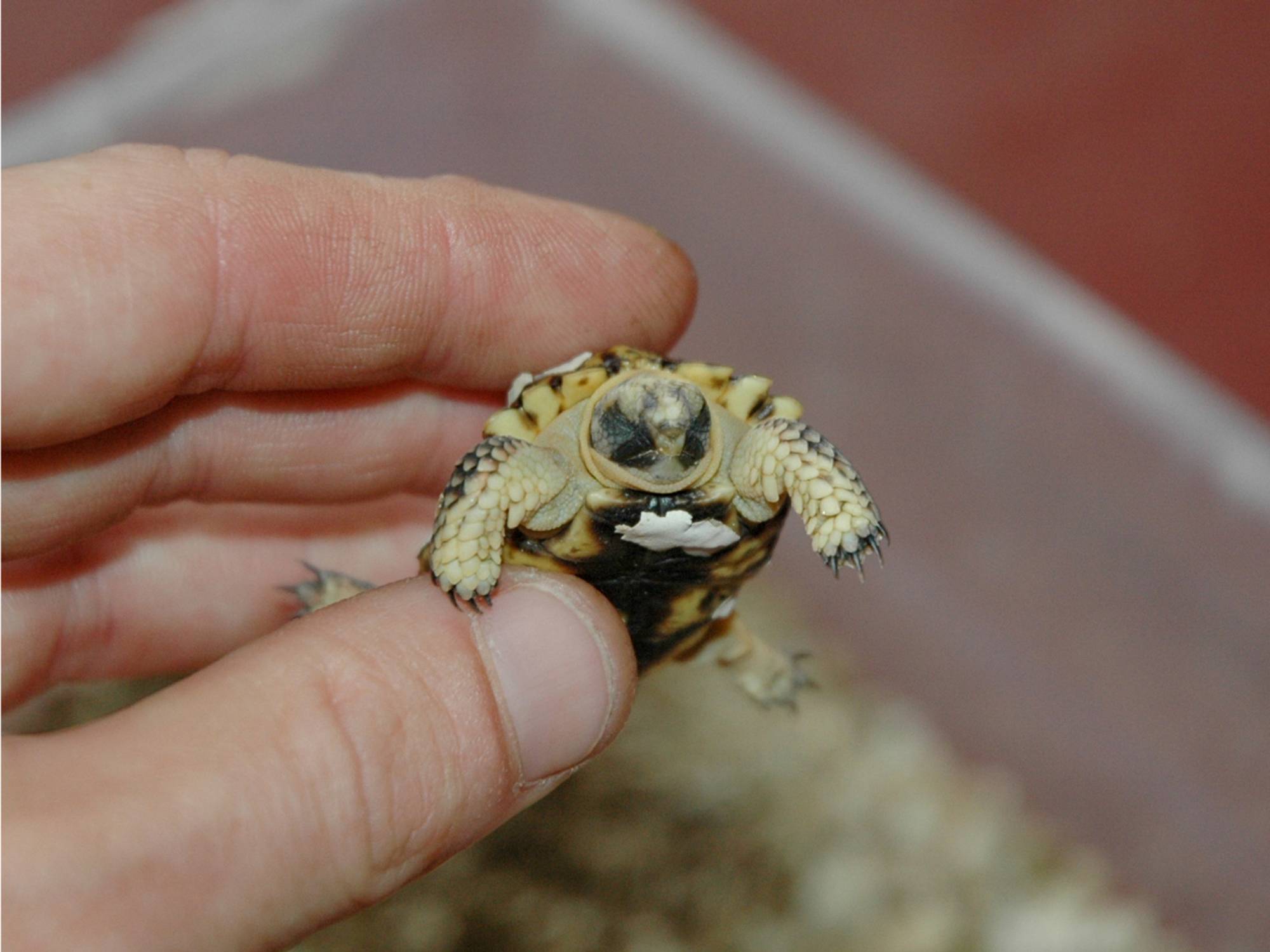
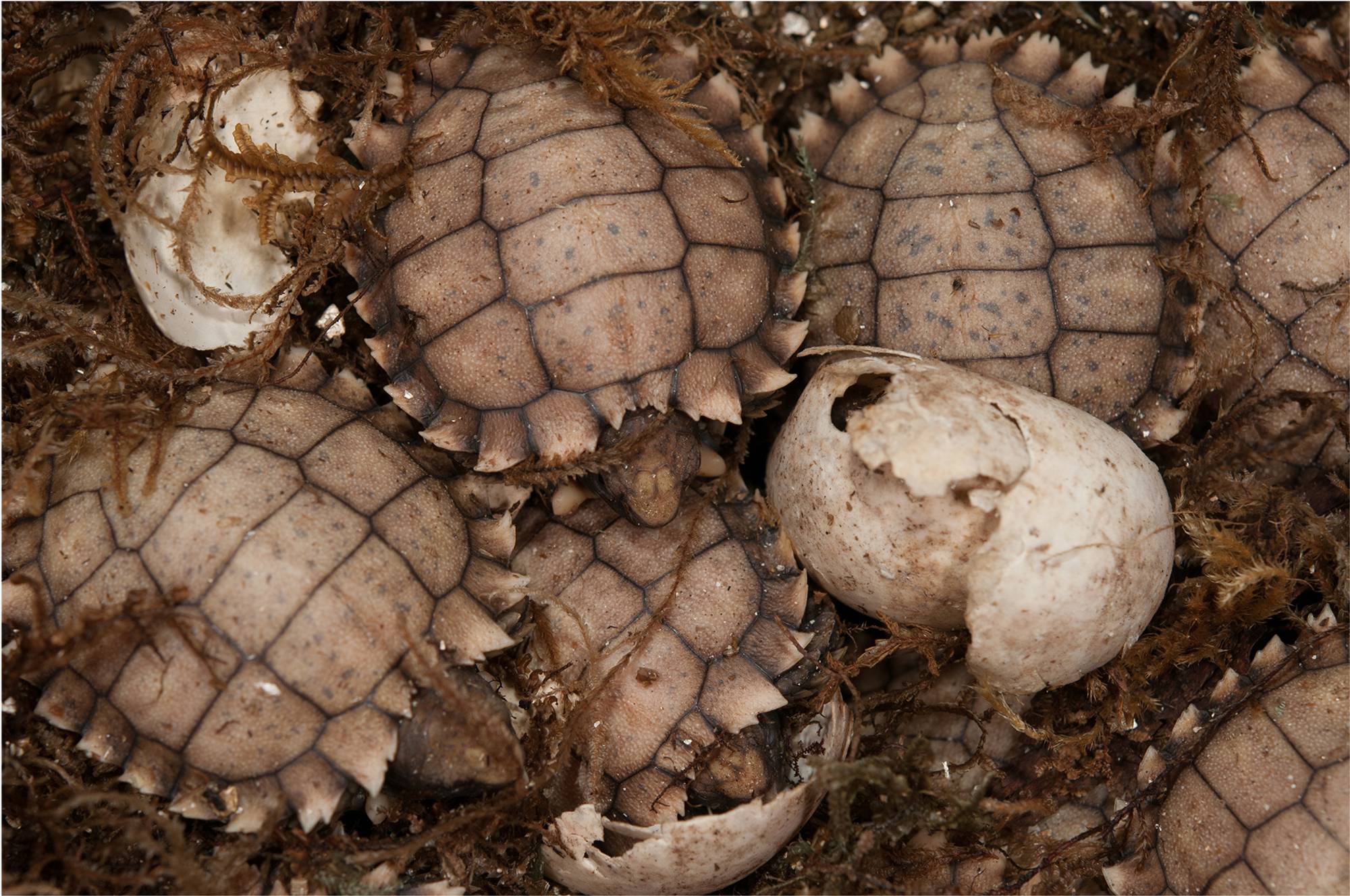
New hatchlings at the Behler Chelonian Center: the first captive-bred Pangshura sylhetensis, plus Manouria emys phayrei along with the usual Astrochelys radiata, Geochelone platynota, Geoclemys hamiltonii, and more.


We hosted the Steering Committee meeting for the Turtle Survival Alliance and the Turtle Conservation Fund in New York City at The Maritime Hotel.


2008


Research expedition to Uruguay and Argentina to investigate the taxonomic differences among the various forms of the Argentine tortoise.


The latest Turtle Conservancy Production: “IUCN Red List Meeting - Madagascar” is complete.


New hatchlings at the Behler Chelonian Center: Kinixys erosa and Indotestudo forstenii, along with Astrochelys radiata, Pyxis planicauda, Pyxis arachnoides, and more.


We hosted the Steering Committee meeting for the Turtle Survival Alliance and the Turtle Conservation Fund in New York City at The Maritime Hotel.


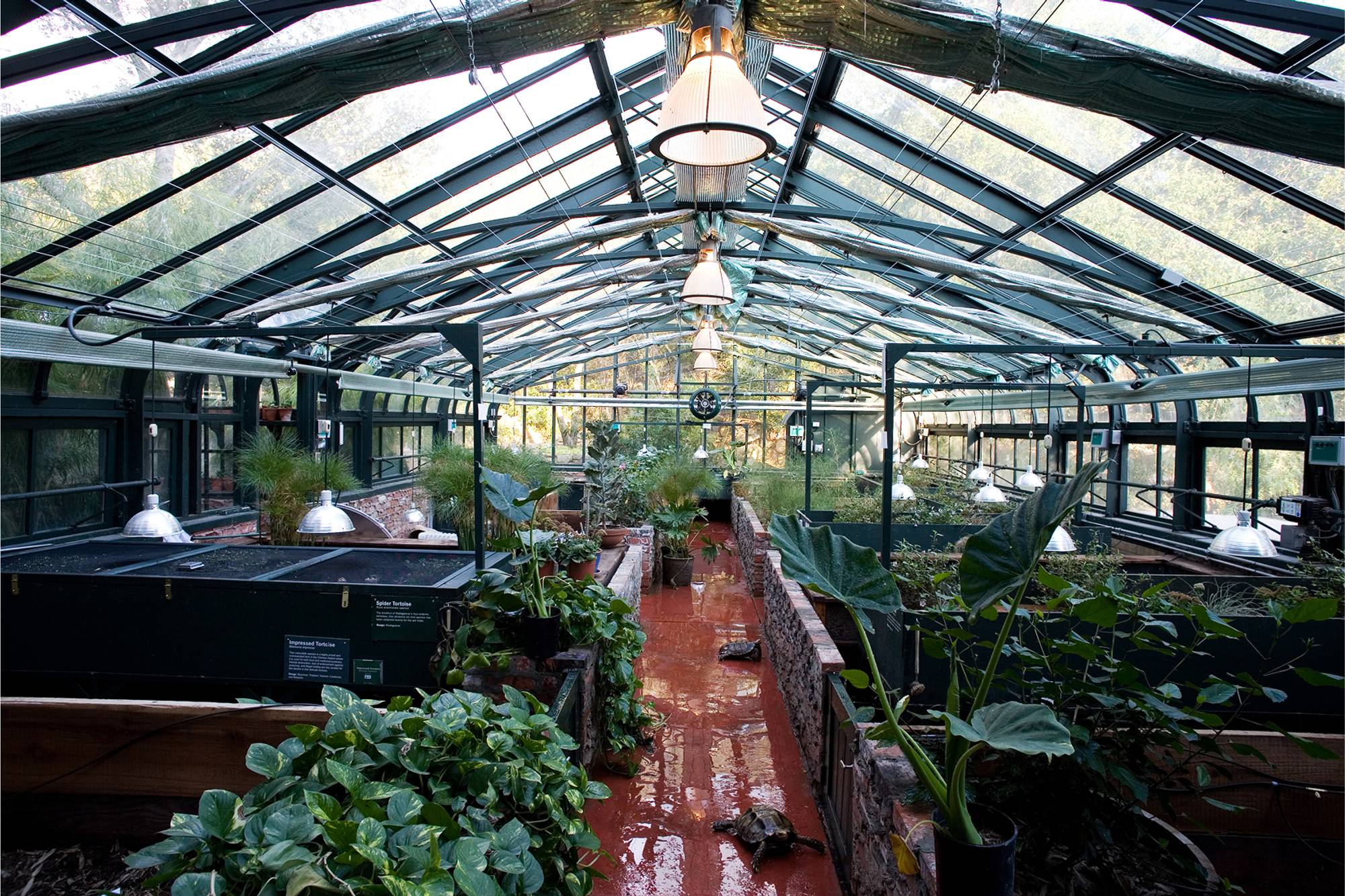
A new greenhouse was erected at the Behler Chelonian Center specifically for Pyxis planicauda.


We began a habitat restoration project for Actinemys marmorata in northern California.


We traveled to Madagascar again and participated in the IUCN Red List meeting to reclassify the five endemic turtle and tortoises of the country. As a result, three species’ statuses were changed to critically endangered, and action plans were drafted for each species. We committed a minimum of $70,000 for Astrochelys yniphora conservation.


2007


Eric Goode was invited to become a Board Member of the Turtle Conservation Fund.


The purchase of critical Gopherus flavomarginatus habitat in Mexico is initiated, in coordination with the Desert Tortoise Council, Myles Traphagen, Jim Juvik, and Ross Kiester.


The latest Turtle Conservancy Production: “2006-2007 Year in Review” was presented at the TSA meeting in Atlanta, Georgia.


Research expeditions: Galapagos Islands - tortoise “rewilding” and head start programs; Mexico - Gopherus flavomarginatus conservation; Mauritius and Rodrigues - introduction of analogous tortoises as surrogates for extinct species; Madagascar - research the ecology of species managed at the Behler Chelonian Center; several captive management facilities were visited, including the Jersey Zoo in England, Arizona-Sonora Desert Museum, Bernard Devaux’s Tortoise Village in Madagascar, and Owen Griffith’s La Vanille Crocodile Park in Mauritius.


2006


Research and filming expeditions to Alexander and Wakulla Springs in Florida to test underwater filming equipment and techniques; Pennsylvania for bog turtle surveys.


The first Turtle Conservancy Production: “Behler Chelonian Center” was presented at the TSA meeting in St. Louis, Missouri.


The Behler Chelonian Center was accredited by the Association of Zoos and Aquariums.


The Chelonian Conservation Center was dedicated in memory of John L. Behler upon his passing; the name was changed to the Behler Chelonian Center in his honor. His vision and insight were the driving force behind the creation of the facility.


2005


Shortly after arriving to the Chelonian Conservation Center in California, the chelonians began to reproduce: Geochelone platynota, Astrochelys radiata, Pyxis arachnoides, Pyxis planicauda, Homopus signatus, Chersina angulata, and Geoclemys hamiltonii.


The assurance colony - more than 200 turtles and tortoises - housed on St. Catherines Island, Georgia was transported across the country to their new home in southern California.


The Chelonian Conservation Center became a member of the Turtle Survival Alliance, and joined the International Species Information System.


The new turtle and tortoise center in California was established as a non-profit organization called the Chelonian Conservation Center.


2004


Upon John and Bill's approval, construction began on four new buildings: a state of-the-art greenhouse, two tortoise houses, and a nursery and commissary, along with numerous outdoor enclosures and ponds for the turtles and tortoises.


John Behler and William Holmstrom of the Wildlife Conservation Society flew out to southern California to approve the site of the future turtle and tortoise center. The location was chosen for its ideal Mediterranean climate.


2003


John L. Behler, the Curator of the Department of Herpetology at the Wildlife Conservation Society, approached Eric Goode and Maurice Rodrigues with the prospect of continuing the WCS’ turtle and tortoise conservation work. He knew of their extensive experience with the captive management of chelonians, and he believed that they had the means to properly care for the animals. After almost 30 years of work, John wanted to ensure that the assurance colony would remain intact and that the breeding program would continue under the stewardship of responsible conservationists.


The New York Zoological Society decided to discontinue their conservation program on St. Catherines Island, Georgia. The process of relocating the animals from the barrier island to other institutions began.


1979


The New York Zoological Society established a herd of Astrochelys radiata on St. Catherines Island, Georgia. These tortoises were brought to the United States in the late 1960s by Robert Baudy. Many of these wild caught animals are likely over 100 years old and represent the founding group of tortoises assuring the specie’s survival in the United States.


1974


The New York Zoological Society’s Wildlife Survival Center was created on St. Catherines Island off the coast of Georgia with the purpose of conservation and research of threatened and endangered species, including: Arabian oryx, sable antelope, and ring-tailed lemurs.

Brief History